
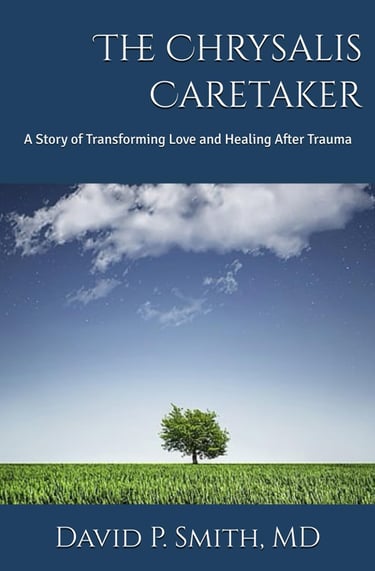
We all live in the midst of a grieving world. Hurting people are everywhere. As we are traversing our daily paths, we meet them. They emerge from every ethnicity, every age group, and every socioeconomic level. There is one thing that they all have in common: pain. Quietly desperate, they search for someone who sincerely cares, forgives, loves unconditionally, and points the way to an answer that will ease their pain and help them recover.
The Chrysalis Caretaker is a compelling novel that follows one young woman’s path to overcome her past traumas. Sarah Ashton experienced great loss, traumatic abuse, and felt abandoned early in her life, but with the help of others, she seeks to become an overcomer against great odds. Her nemesis, Wylie, tries his best to defeat her as she travels down some dark paths, fighting depression and anxiety, trying to find her way back home. Can she really have the life she always wanted, or will the past forever hold onto her? How can she break free from the figurative chains that bind her and be able to move on with her life? Will she ever be able to truly love anyone again? We all live in the midst of a grieving world. Hurting people are everywhere. As we are traversing our daily paths, we meet them. They emerge from every ethnicity, every age group, and every socioeconomic level. There is one thing that they all have in common: pain. Quietly desperate, they search for someone who sincerely cares, forgives, loves unconditionally, and points the way to an answer that will ease their pain and help them recover. The Chrysalis Caretaker paints a portrait of the experiences of many people who live closer to us than we may realize. More important than seeing a real picture of our world is what we do after we behold that picture. This book seeks to illuminate a path to the answers we all need to not just survive but thrive.
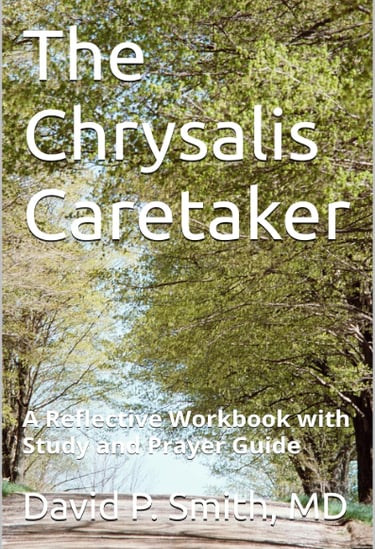
The workbook is designed to accompany the book, The Chrysalis Caretaker: A Story of Transforming Love and Healing After Trauma, inviting deep personal reflection, spiritual examination, and narrative engagement. The questions are intentionally probing and open‑ended. They may be used for individual journaling, devotional times, counseling contexts, or group discussion. Readers are encouraged to move slowly, allowing space for honesty and prayerful consideration.
This is a full, chapter-by-chapter workbook that’s designed to walk with the book rather than summarize it—leaning into themes of trauma, faith, transformation, responsibility, and renewal, with questions meant to open interior space, not rush answers. Each chapter starts with reflective questions followed by key scriptures, more in depth reflection, and then guided prayer focus.
A few notes on how this can be used:
Personal journaling: one or two questions per sitting is plenty.
Small groups or counseling: the questions are written to invite story, not debate.
Teaching or discipleship: many chapters intentionally move from narrative reflection → theological meaning → personal application.
The Chrysalis Caretaker: A Story of Transforming Love and Healing after Trauma
Proceeds from this book support the St. Pantaleon Foundation ministry
Recent book reviews:
I recently came across The Chrysalis Caretaker. I just wanted to say how deeply moved I was by Sarah Ashton’s story. Her journey through pain, hope, and healing reflects the struggles of so many people often unseen and your book brings that emotional reality into the light with compassion and grace.
Your work resonated with me as a reminder that even in brokenness, there’s the potential for transformation. Thank you for writing something so needed in today’s world.
Dr. Smith has a knack for weaving a story through troublesome times and rebounding to a better life. He writes so good that his book was difficult to put down until I found out what was happening and what the outcome might be. As a doctor, Dr. Smith's writing is equal to some other professional authors I've read. I once read a book rejoiced by many critics, so I had to read it cover to cover. Unfortunately, that book was one of the worst books I've read. This book is well worth the effort because it identifies our problems, but also allows us to find the solutions. A doctor's story has introduced me to a super book.
"'Pray for the peace of Jerusalem: May they prosper who love you. Peace be within your walls, Prosperity within your palaces. For the sake of my brethren and companions, I will now say, “Peace be within you. Because of the house of the Lord our God I will seek your good."
Psalms 122:6-9
Mailing Address:
PO Box 2062, Indian Trail, NC 28079